The Masterpiece Paradox: When a "10/10" Divides the Industry
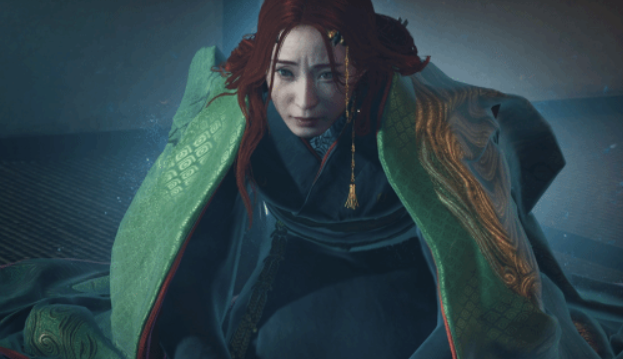
With the review embargo lifted for Onimusha: Way of the Sword (鬼武者:剑之道), Capcom’s highly anticipated revival of its long-dormant samurai franchise has landed right at the center of an intense critical debate.
Leading the charge, IGN awarded the title a rare, perfect 10/10 "Masterpiece" score, declaring that its Toshiro Mifune-inspired Miyamoto Musashi delivers a historical baseline for third-person sword combat paired with a deeply moving personal narrative.
However, the broader media consensus—including outlets like GameSpot and Siliconera—presents a far more tempered perspective. While praising the core mechanical depth, critics highlighted sluggish early-game narrative pacing, derivative side-quest design, and blatant asset/boss recycling in the second half.
                     ┌────────────────────────────────────────┐
                     │    Way of the Sword Critical Spectrum  │
                     └───────────────────┬────────────────────┘
                                         │
         ┌───────────────────────────────┴───────────────────────────────┐
         ▼                                                               ▼
┌───────────────────────────────────┐       ┌───────────────────────────────────┐
│       IGN's 10/10 Vision          │       │      The Broader Consensus        │
├───────────────────────────────────┤       ├───────────────────────────────────┤
│ • History-making combat loop      │       │ • Elite boss mechanical density   │
│ • Flawless "Issen" counter-system │       │ • Slow early-game narrative pace  │
│ • Kinetic Miyamoto Musashi design │       │ • Recycled mid-tier mini-bosses   │
│ • Transcendental player agency    │       │ • Formulaic fetch-style side-quests│
└───────────────────────────────────┘       └───────────────────────────────────┘
What Makes IGN Call It "Flawless"?
IGN's review isn't arguing that Way of the Sword lacks structural flaws; rather, it posits that its high points are so transcendent that minor flaws become entirely irrelevant.
The praise centers squarely on the game's stamina-free, pure skill-based sword combat:
-
The "Issen" Frame-Precision Loop: Rather than relying on standard Soulslike stamina management, combat functions around instantaneous micro-reads, directional deflections, and high-risk "Issen" counters that can sever incoming attacks mid-frame.
-
Dynamic Animation Matching: Combat animations dynamically shift based on terrain, wall proximity, and enemy positioning, creating a cinematic duel structure where the controller effectively "disappears".
-
Dynamic Boss Telemetry: Boss fights—such as the multi-stage duels against Sasaki Kojiro and Benkei—force players to master muscle memory rather than simply out-leveling encounter mechanics.
The Counter-Argument: Structural Friction
Conversely, reviewers giving the game an 8/10 or 8.5/10 cite systemic structural issues that pull players out of the experience:
┌──────────────────────────────────────────────────────────────────────────────────┐
│                             CRITICAL FRICTION POINTS                             │
├──────────────────┬───────────────────────────────────────────────┬───────────────┤
│ Issue Category   │ Specific Problem                              │ Gameplay Impact│
├──────────────────┼───────────────────────────────────────────────┼───────────────┤
│ Pacing           │ Prolonged exposition-heavy opening hours      │ Low momentum  │
│ Asset Reuse      │ Repeated Genma rift arenas and recycled bosses│ Late-game drag│
│ Quest Design     │ Secondary quests rely on basic fetch loops    │ Filler content│
└──────────────────┴───────────────────────────────────────────────┴───────────────┘
When a game asks players to clear heavily recycled "Genma Rifts" to progress, does elite combat offset the feeling of unnecessary padding?
Editorial Context:
In IGN's review rubric, a "10/10" does not mean a game is literally devoid of bugs or imperfections. It signifies a game whose absolute peak achievements define a generation and outweigh any minor technical or structural missteps.
sulaa Games Tech Editorial: The Changing Definition of the "Perfect" Score
From our mechanics and critical theory desk at sulaa Games, the controversy surrounding Onimusha: Way of the Sword’s 10/10 rating highlights an ongoing shift in modern game criticism.
For years, review scores were calculated like a checklist: subtract half a point for texture pop-in, subtract a point for a boring side quest, and add points for graphics. But games like Sekiro, Elden Ring, and now Way of the Sword challenge that consumer-report model. When a developer builds a combat engine so fundamentally satisfying that simply parrying a sword swipe gives you a rush of dopamine, rigid checklist-style review metrics break down.
Does Way of the Sword reuse assets in its third act? Yes. Are some side quests structurally basic? Absolutely. But if those flaws exist alongside an action system that will be studied by combat designers for the next decade, IGN’s bold 10/10 isn't an error—it's a declaration of artistic priority. If you play action games strictly for procedural quest variety, you might land at an 8/10; but if you live for the raw, frame-perfect dance of digital steel, Capcom has delivered a landmark achievement.
SEO Keywords / Tags: Onimusha Way of the Sword IGN 10, Onimusha Way of the Sword review review, Capcom Onimusha 2026, Miyamoto Musashi combat system, GameSpot Onimusha review.